SAT & ACT

ACT Math Formulas: Complete ACT Math Formula List for 2026

Author_Image
Ruchi Khanted
10 mins
2.6k views
Summarise with AI

The ACT Math section measures how well you apply mathematical concepts to solve problems quickly and accurately. You need to recall every equation from memory, from basic area formulas to trigonometric identities. Knowing when and how to apply ACT Math formulas can save valuable time and improve your accuracy.

In this guide, you will find the complete list of ACT Math formulas you need to know, along with preparation tips to help you maximise your score using these formulas.

ACT Math Formula Sheet: How to Use this List?

Use this ACT Math formula list as your study roadmap, not a one-sitting memorisation sprint. You will not get a formula sheet on test day, so the best way to solve ACT Math questions is knowing these formulas before you walk in.

Every ACT Math formula below is grouped by topic rather than ranked by difficulty, since the ACT mixes easy and hard questions from the same category throughout the section. Work through one category at a time, and test yourself on each formula before moving to the next. 

ACT Algebra Formulas

Algebra formulas on the ACT Math section cover linear equations, quadratics, absolute value, logarithms, and factoring, and together they account for a large share of the 45 questions you answer in 50 minutes. Most algebra questions test whether you can apply a formula correctly under time pressure rather than derive it from scratch, so speed of recall matters as much as accuracy.

1. Linear Equations & Functions

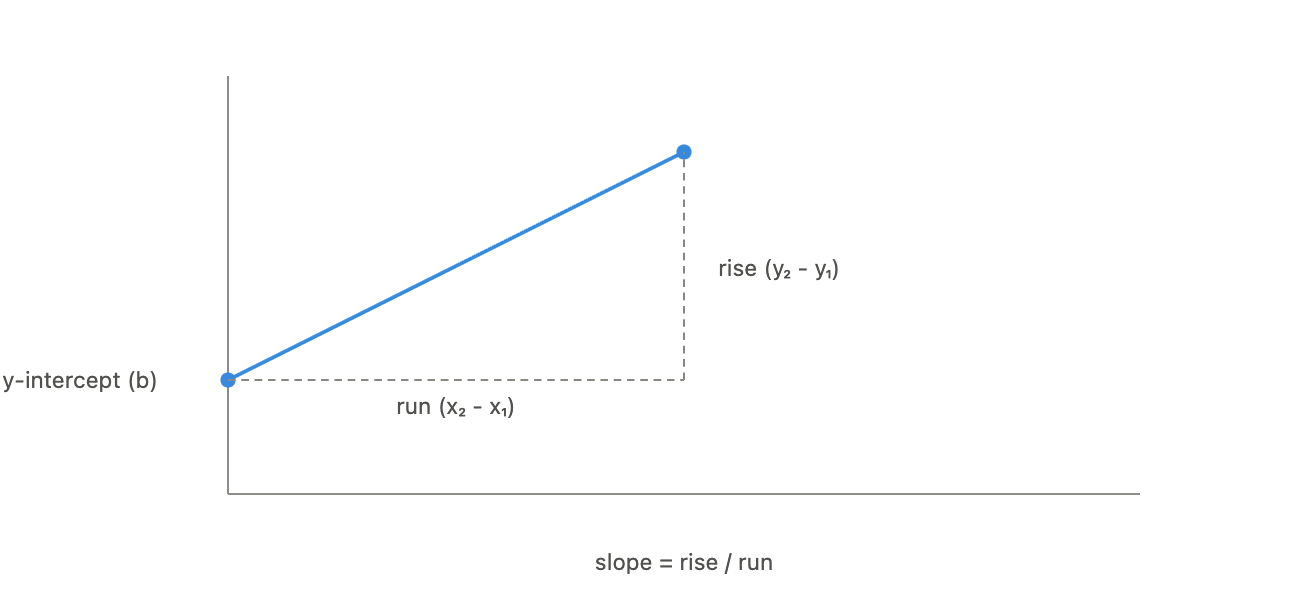
Linear equations and functions are one of the most heavily tested topics on nearly every ACT Math test. You need the slope and slope-intercept formulas memorised since the ACT tests them directly and also hides them inside coordinate geometry and function questions.

  • Slope: m = (y₂ - y₁) / (x₂ - x₁), the ratio of vertical change to horizontal change between two points (x₁, y₁) and (x₂, y₂).
  • Slope-intercept form: y = mx + b, where m is the slope and b is the y-intercept.
  • Point-slope form: y - y₁ = m(x - x₁), useful when you know the slope and one point on the line.
  • Standard form: Ax + By = C, where A, B, and C are constants. Rearrange it into slope-intercept form to read off the slope and y-intercept quickly.

2. Quadratics

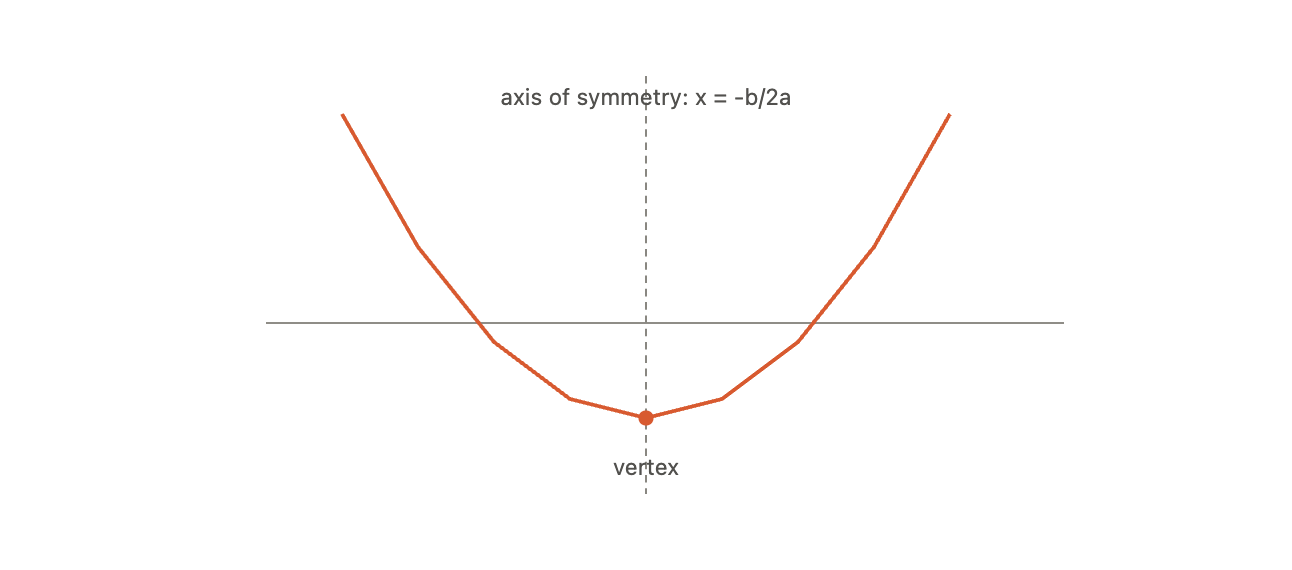
Quadratic equations take the form ax² + bx + c = 0, and the ACT tests whether you can solve for x, find the vertex, or work out how many real solutions an equation has. Learn the quadratic formula and the discriminant together, since a discriminant question often hides inside a quadratic formula question. 

  • Quadratic formula: x = (-b ± √(b² - 4ac)) / 2a, used to solve any equation in the form ax² + bx + c = 0.
  • Discriminant: D = b² - 4ac. A positive discriminant gives two real solutions, zero gives one real solution, and a negative discriminant gives no real solutions.
  • Vertex x-coordinate: x = -b / 2a, which locates the axis of symmetry and the maximum or minimum point of the parabola.

3. Absolute Value

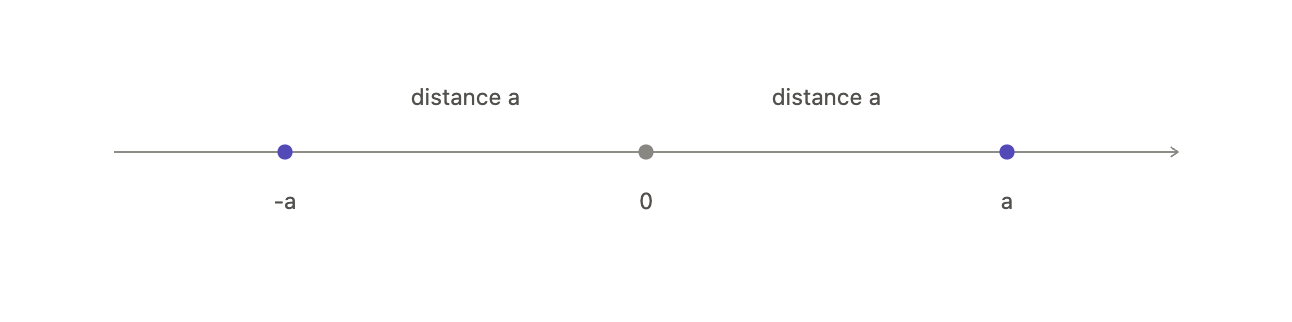
The absolute value of a number is its distance from zero on the number line, so it is always non-negative regardless of the sign of the original number. The ACT tests this most often inside equations and inequalities rather than as a standalone question. 

  • Absolute value function: |x| = x when x ≥ 0, and |x| = -x when x < 0. 
  • Absolute value equation: If |x| = a, then x = a or x = -a, since both values sit the same distance from zero.

4. Logarithms

Logarithms show up in roughly one question per ACT Math test. But knowing how to rewrite a logarithm as an exponent stops you from losing that one question entirely. 

  • Logarithm definition: logₐ(b) = x means aˣ = b, where a is the base, b is the argument, and x is the exponent. 
  • Product rule: logₐ(xy) = logₐ(x) + logₐ(y) 
  • Quotient rule: logₐ(x/y) = logₐ(x) - logₐ(y)

5. Factoring

Factoring breaks a polynomial expression down into simpler multiplied terms, and the ACT expects you to factor on sight rather than work through the process step by step. Recognising these three patterns quickly saves valuable seconds in a timed section. 

  • Greatest common factor: 4x² + 8x becomes 4x(x + 2). 
  • Difference of squares: a² - b² = (a + b)(a - b)
  • Perfect square trinomial: a² + 2ab + b² = (a + b)², and a² - 2ab + b² = (a - b)² 

ACT Geometry Formulas

Geometry formulas cover everything from a rectangle's area to a sphere's volume, and together with coordinate geometry, they make up one of the largest portions of the ACT Math section. Split your study time between the formulas tested in nearly every ACT Math test and the ones that appear less often but still cost you a point if you skip them.

Must-Know Geometry Formulas

These formulas appear in some form on nearly every ACT Math test, so they deserve priority in your revision schedule.

  • Area of a rectangle: A = l × w, where l is the length and w is the width.
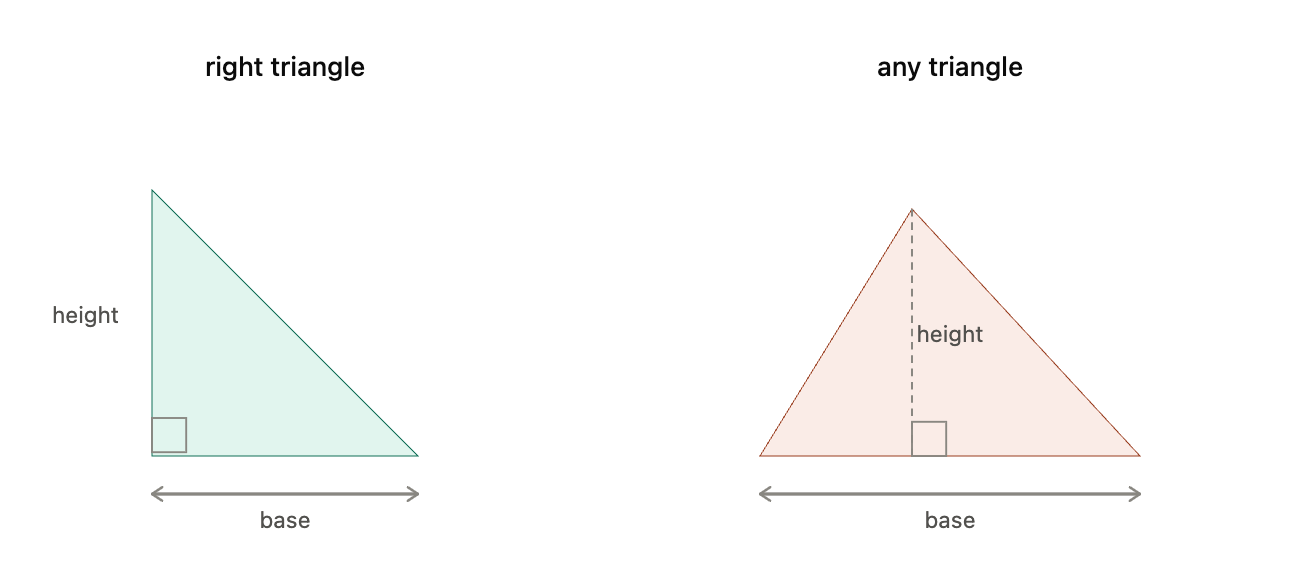
  • Area of a triangle: A = ½ × b × h, where b is the base and h is the perpendicular height. This works for right, isosceles, scalene, and equilateral triangles alike; the height drops through the interior of the triangle down to the base, as shown below.

  • Area of a circle: A = πr², where r is the radius.
  • Circumference of a circle: C = 2πr or C = πd, where d is the diameter.
  • Pythagorean theorem: a² + b² = c², where c is the hypotenuse of a right triangle and a and b are the two legs.

Special Right Triangles

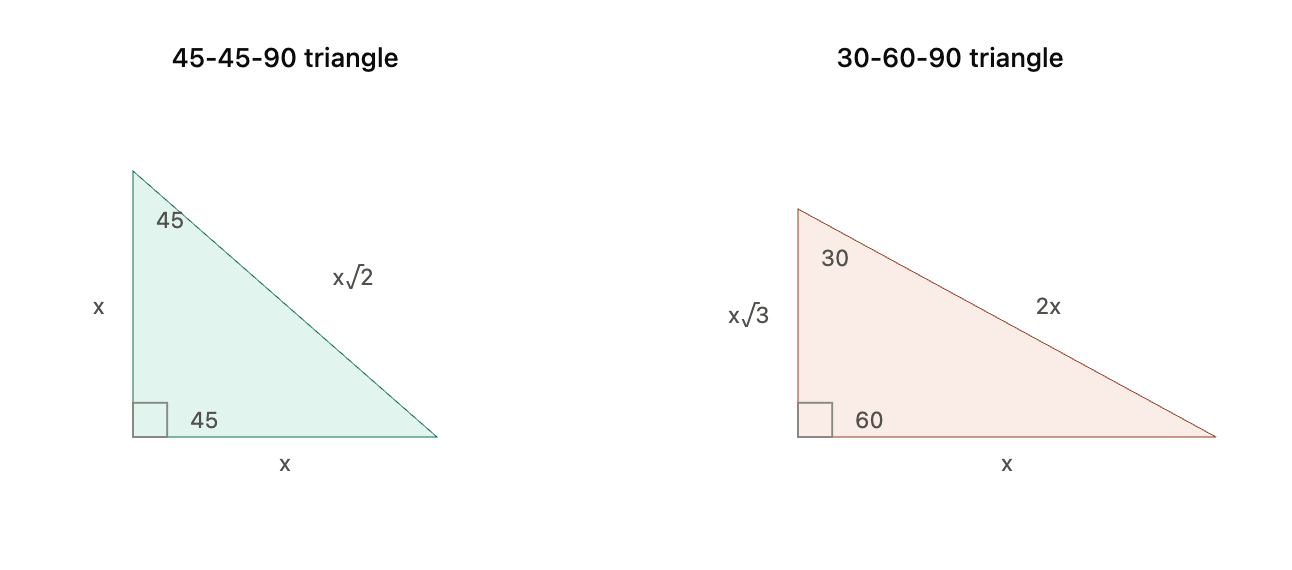
Two triangle patterns show up often enough on the ACT that recognising them lets you skip the Pythagorean theorem entirely and solve directly. This is one of the fastest time-savers available on the whole test if you memorise the ratios.

  • 45-45-90 triangle: An isosceles right triangle has two equal legs and one 90° angle. If each leg has length x, the hypotenuse is always x√2. A triangle with legs of 12 and 12 has a hypotenuse of 12√2, no calculation needed.
  • 30-60-90 triangle: Side lengths follow the ratio x, x√3, 2x. The side opposite the 30° angle is the shortest (x), the side opposite 60° is the middle length (x√3), and the side opposite 90° is the hypotenuse (2x). A triangle with a short side of 5 has sides 5, 5√3, and 10.


Nice-to-Know Geometry Formulas

These geometry formulas turn up less often on the ACT, sometimes for just one or two questions per test, but they cover shapes the ACT does test, including several that are easy to overlook while revising.

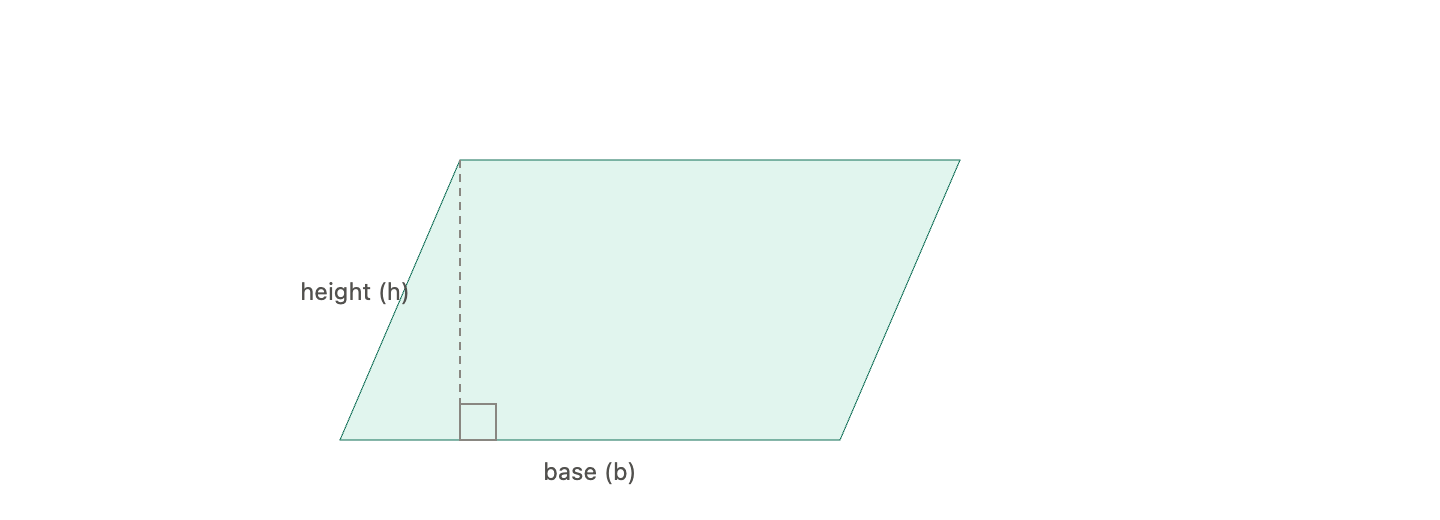
1. Area of a parallelogram: A = b × h, where b is the base and h is the perpendicular height between the two parallel sides.

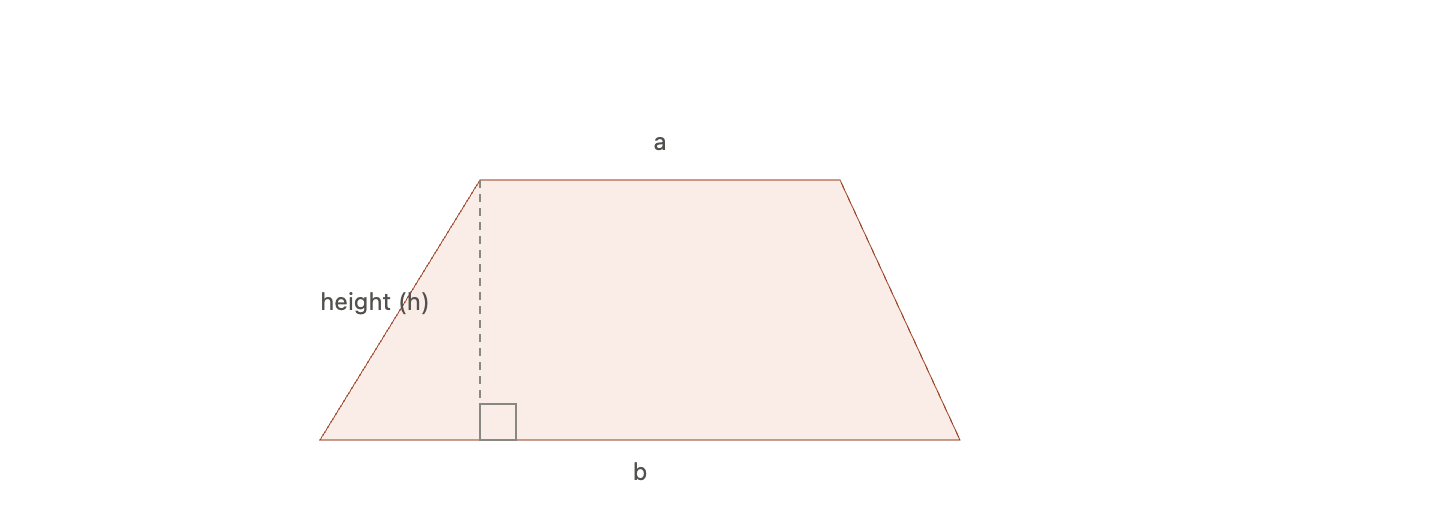
2. Area of a trapezoid: A = ½ × (a + b) × h

where a and b are the lengths of the two parallel sides, and h is the height between them. Trapezoids are typically worth at most one question on the test, so this is a reasonable formula to deprioritise if you're short on revision time.

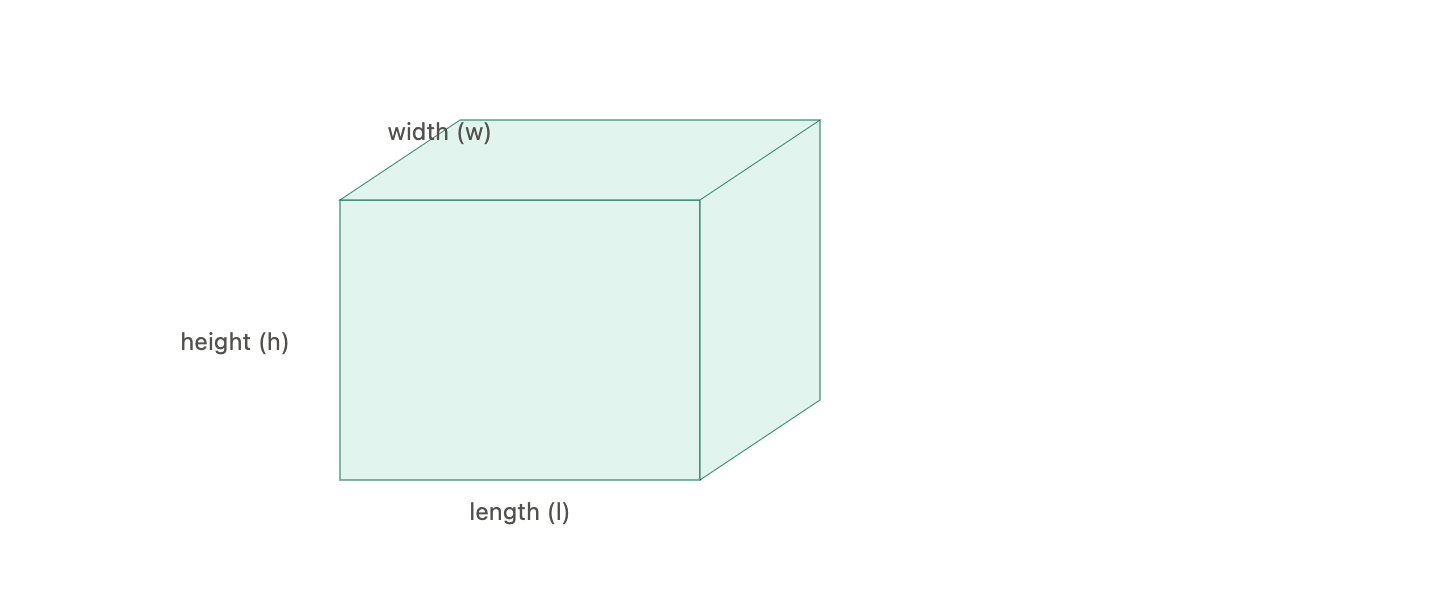
3. Volume of a rectangular solid: V = l × w × h


where l, w, and h are the length, width, and height.

4. Surface area of a rectangular solid: S = 2(lw + lh + wh), the sum of the areas of all six faces.

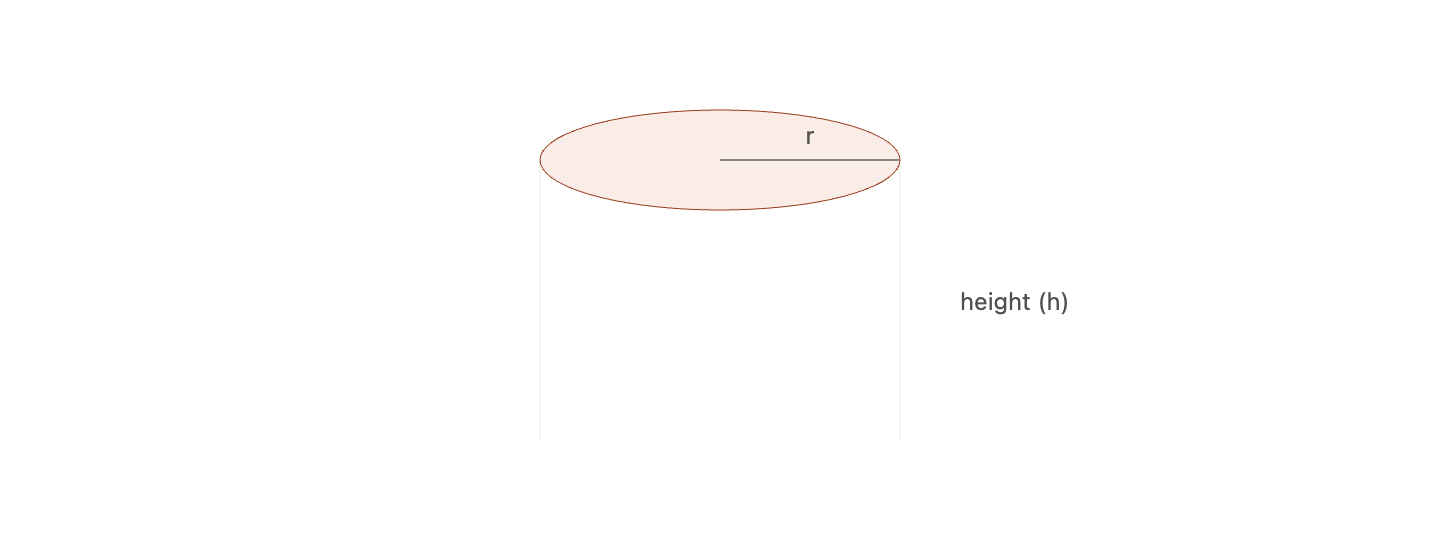
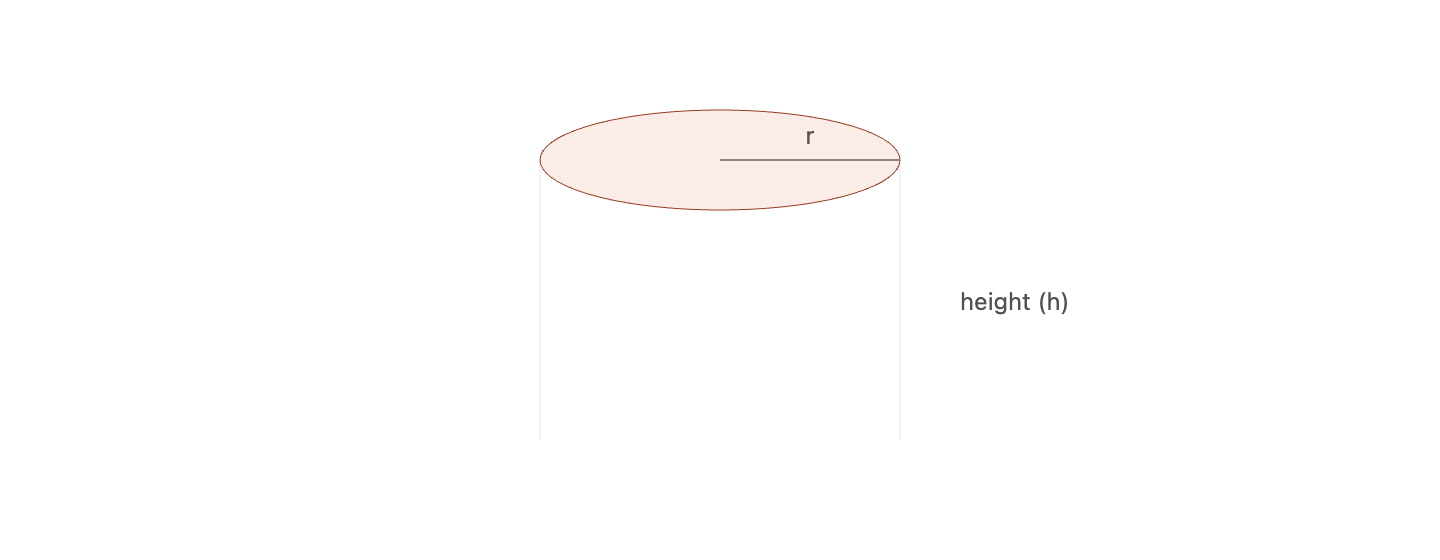
5. Volume of a cylinder: V = πr²h,

where r is the radius of the circular base, and h is the height.

6. Surface area of a cylinder: S = 2πr² + 2πrh

where the sum of the two circular ends and the curved side.

7. Volume of a cone: = ⅓πr²h

where r is the radius of the base and h is the height.

8. Volume of a sphere: V = (4/3)πr³, where r is the radius.

9. Surface area of a sphere: S = 4πr², where r is the radius.

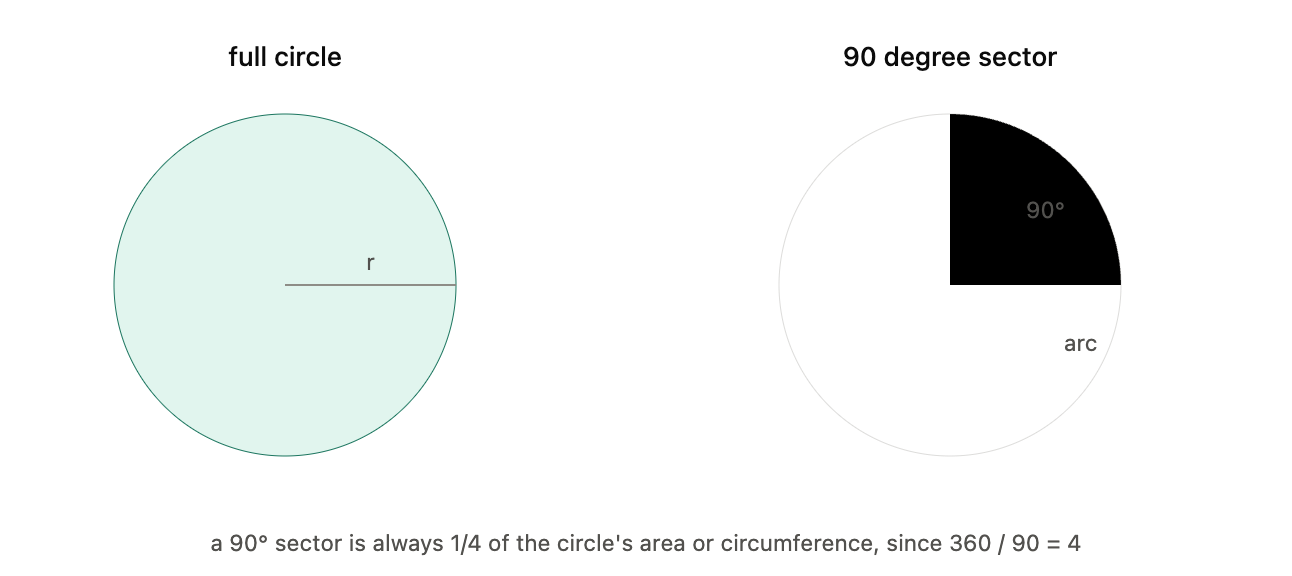
10. Area of a sector: 

Given a radius and a degree measure of an arc from the centre, the area of that slice of the circle is A = πr² × (arc degree measure / 360).

11. Arc length: 

Using the same logic as a sector, but applied to circumference: arc length = 2πr × (arc degree measure / 360).

If you'd rather not memorise the sector and arc formulas separately, reason through them directly instead: a 90° arc is always ¼ of the full circle's area or circumference, since 360 ÷ 90 = 4. A 45° arc is ⅛ of the circle, since 360 ÷ 45 = 8. The concept is exactly the same as the formula; thinking of it as a fraction of the whole circle can be easier to recall under time pressure than a memorised equation.

Explore Destinations
Explore All Guides

ACT Coordinate Geometry Formulas

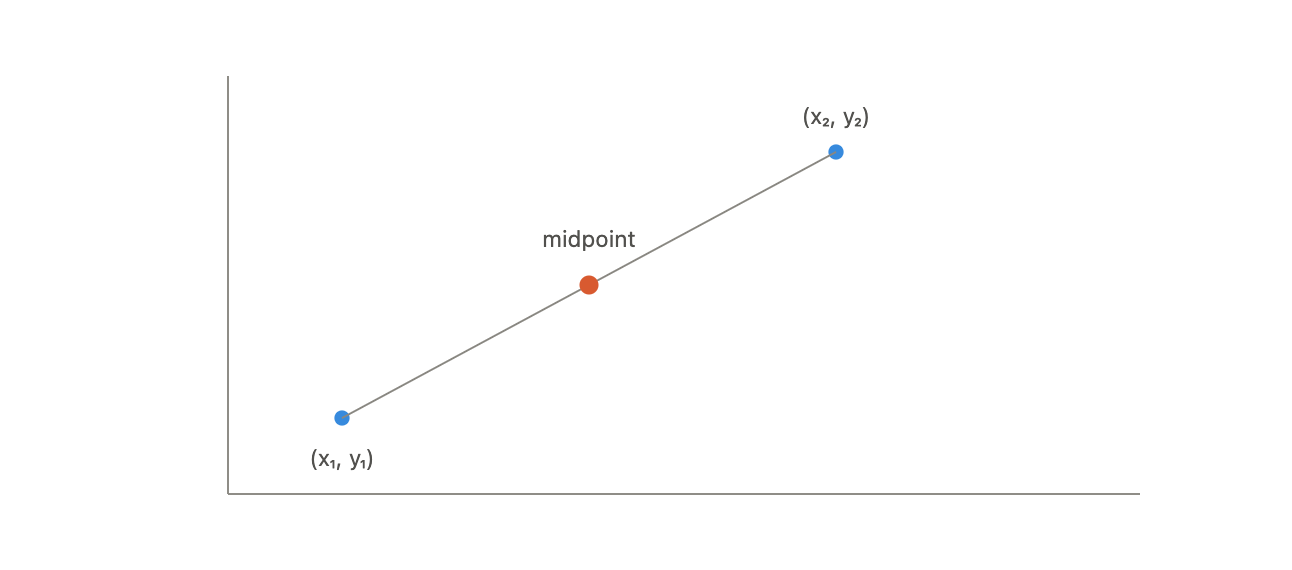
Coordinate geometry formulas let you calculate distance, midpoints, and slope between points on a graph without plotting every question by hand. These formulas overlap heavily with the algebra formulas above, so learning them together reinforces both categories. 

1. Distance Formula

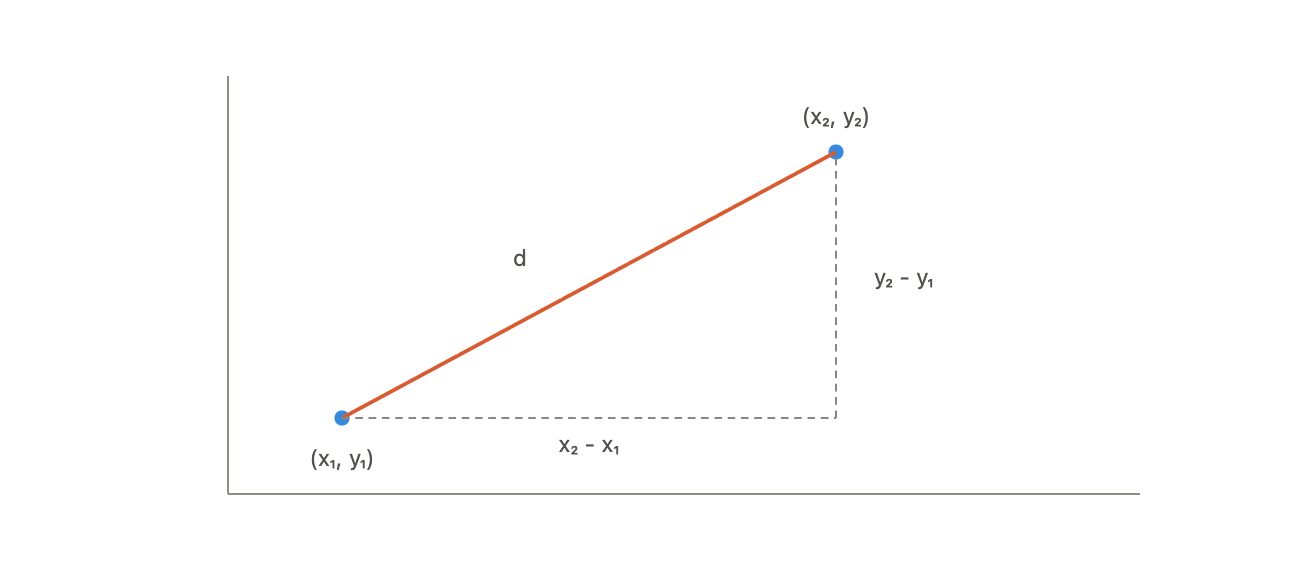
The distance formula gives you the straight-line length between any two points on a coordinate plane. You rarely need to memorise it in isolation, since it is really the Pythagorean theorem applied to coordinates. 

Distance formula: d = √[(x₂ - x₁)² + (y₂ - y₁)²], where d is the distance between points (x₁, y₁) and (x₂, y₂). 

2. Midpoint Formula

The midpoint formula finds the exact centre point of a line segment connecting two coordinates. It works by averaging the x-values and the y-values of the two endpoints separately.

Midpoint formula: Midpoint = ((x₁ + x₂)/2, (y₁ + y₂)/2), the average of the two x-coordinates and the two y-coordinates. 

3. Slope Formula

Slope in coordinate geometry measures how steeply a line rises or falls as you move across a graph. A positive slope climbs left to right, a negative slope falls, and a slope of zero is a horizontal line.

Slope formula: m = (y₂ - y₁) / (x₂ - x₁), calculated from any two points that lie on the line. 

ACT Trigonometry Formulas

Trigonometry formulas on the ACT Math section relate the angles and sides of a right triangle to each other. Most trigonometry questions boil down to one mnemonic and one identity, so this category rewards focused memorisation over broad coverage.

# SOH CAH TOA

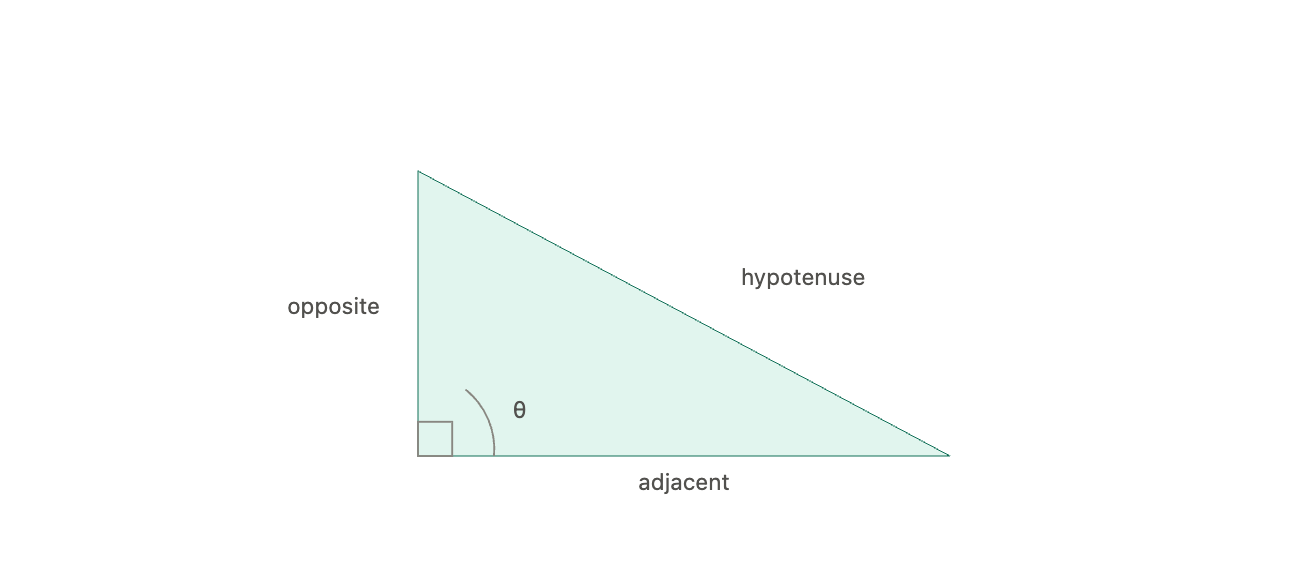
SOH CAH TOA gives you the three primary trigonometric ratios in one mnemonic, and each reciprocal ratio follows directly from it. Learn the primary three first, then treat the reciprocals as flips of the same fractions.

  • Sine (SOH): sin θ = opposite/hypotenuse 
  • Cosine (CAH): cos θ = adjacent / hypotenuse 
  • Tangent (TOA): tan θ = opposite/adjacent
  • Cosecant: csc θ = hypotenuse/opposite, the reciprocal of sine. 
  • Secant: sec θ = hypotenuse / adjacent, the reciprocal of cosine. 
  • Cotangent: cot θ = adjacent/opposite, the reciprocal of tangent. 

# Pythagorean Identity

The Pythagorean identity links sine and cosine for any angle, and it works true regardless of the size or position of the triangle. You will often need to rearrange it to isolate sin θ or cos θ inside a question.

  • Pythagorean identity: sin²θ + cos²θ = 1, true for any angle θ. 
  • Tangent identity: tan θ = sin θ / cos θ 

ACT Statistics and Probability Formulas

Statistics and probability formulas cover averages, spread, and the likelihood of an outcome, and the ACT tests this category through data sets, probability scenarios, and counting problems. Most questions here use middle-school-level formulas, so this is one of the fastest categories to prepare if you learn the formulas correctly the first time.

1. Mean/Average

The mean, or average, of a data set is the sum of every value divided by how many values there are. The ACT also tests a variant of this formula for average speed.

  • Mean (average): Mean = sum of all terms/number of terms
  • Average speed: Average speed = total distance / total time 

2. Standard Deviation

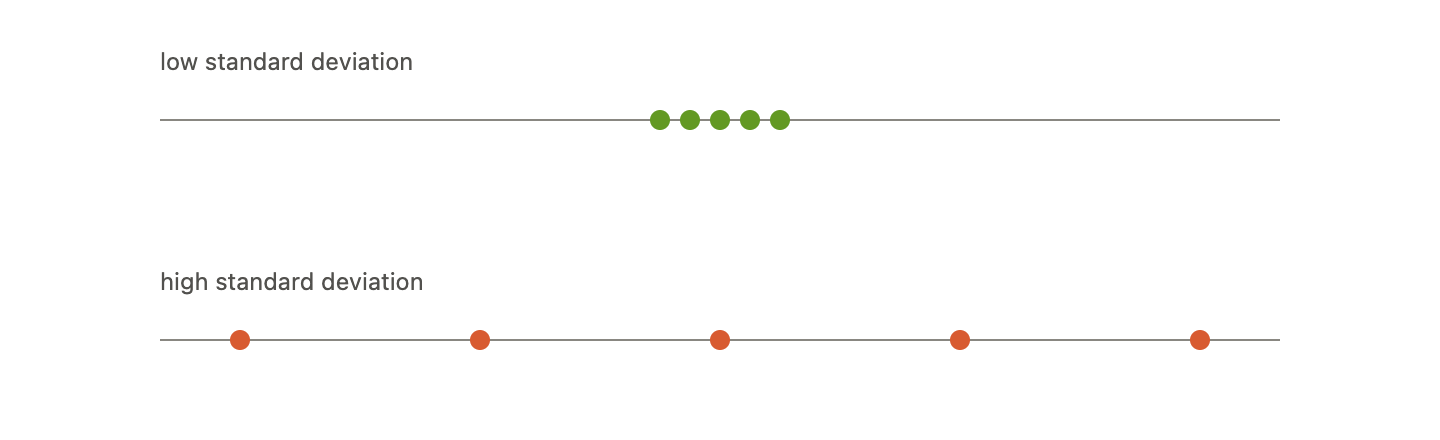
Standard deviation measures how spread out a data set is from its mean, and the ACT uses two slightly different versions depending on whether you are working with a full population or a sample of it.

  • Population standard deviation: σ = √(Σ(xᵢ - μ)² / N), where μ is the population mean, xᵢ is each value, and N is the total number of values. 
  • Sample standard deviation: s = √(Σ(xᵢ - x̄)² / (n - 1)), where x̄ is the sample mean, and n is the number of values in the sample. 

3. Probability

Probability measures how likely an outcome is, on a scale from 0 for impossible to 1 for certain. The ACT tests both single-event probability and the probability of two independent events happening together.

  • Probability of an outcome: P = number of desired outcomes / total number of possible outcomes 
  • Probability of two independent events: P(A and B) = P(A) × P(B) 

4. Combinations & Permutations

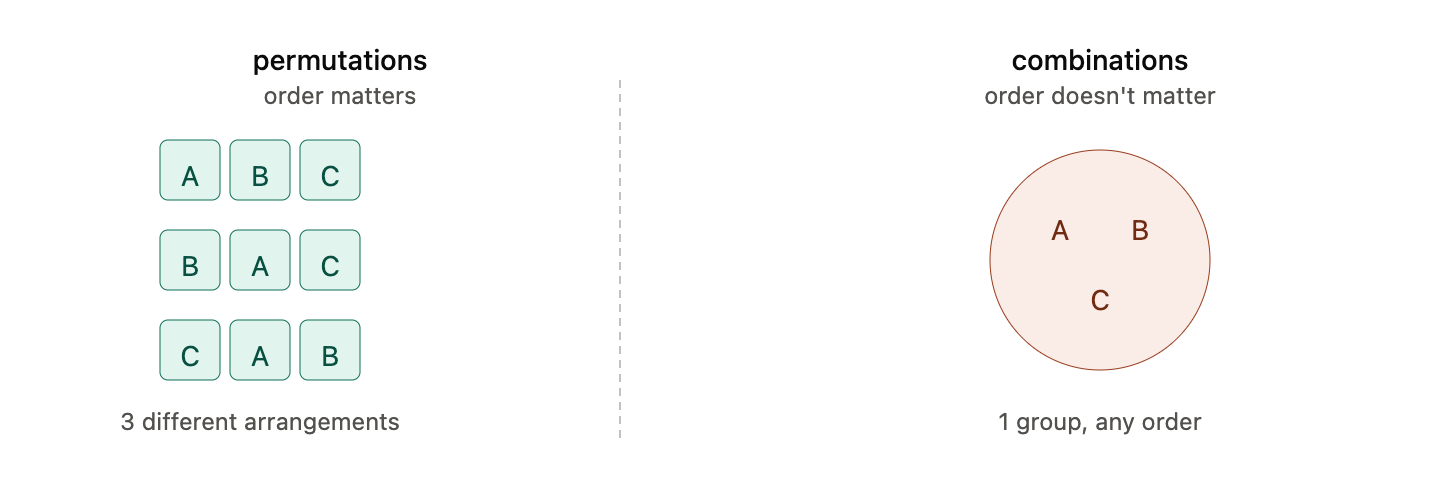
Permutations count arrangements where order matters, while combinations count groupings where it does not. Mixing these two up is one of the most common ACT Math mistakes, so check whether a question cares about order before you pick a formula.

  • Permutations (order matters): nPr = n! / (n - r)!, the number of ways to arrange r items from a set of n.
  • Combinations (order does not matter): nCr = n! / (r!(n - r)!), the number of ways to choose r items from a set of n. 

5. Percentages

Percentage questions on the ACT exam usually ask you to find a percentage of a number, work out what percentage one number is of another, or find the original number a percentage came from. These three formulas cover all three directions.

  • Find x percent of n: n × (x / 100) 
  • Find what per cent n is of m: (100 × n) / m 
  • Find the number n is x percent of: (100 × n) / x 

How to Memorise ACT Math Formulas?

The best way to memorise ACT Math formulas is through daily, timed practice rather than one long cramming session before test day. Keep the following tips in mind during ACT exam preparation.

  • Prioritise by frequency: Focus on algebra, coordinate geometry, and the must-know geometry formulas first, since these appear most often across the 45 ACT Math questions. 
  • Test yourself without notes: Write out each ACT Math formula from memory rather than re-reading it, since recognising a formula and recalling it under time pressure are different skills. 
  • Practise with real questions: Apply each formula inside an actual ACT Math practice question rather than in isolation, since the test rarely asks you to state a formula directly. 
  • Review weak categories daily: Spend 10 minutes a day on the ACT Math formulas you keep forgetting instead of one long weekly session, since spaced repetition holds up better under exam conditions. 

From the Desk of Yocket

 ACT Math formulas help you solve questions quickly, but they only help if you also understand when to apply them. If you memorise every formula in this list without practising how it shows up mid-question, you will still lose time hunting for the right approach on test day. 

With Yocket Premium, you can receive personalised ACT preparation guidance, university shortlists, application support, scholarship assistance, and visa counselling to strengthen your US college application. Our experts help you build a competitive profile and guide you through every step of your study abroad journey. 

Frequently Asked Questions about ACT Math Formulas

Can I use a calculator on the ACT Math section?

How many questions and how much time does the ACT Math section have?

Does the ACT give you a formula sheet?

What are the main topics covered in ACT Math?

How can I prepare for the ACT Math section?

More Topics

Check your Eligibility at 2000+ Universities

Articles you might like

Check your Eligibility at 2000+ Universities